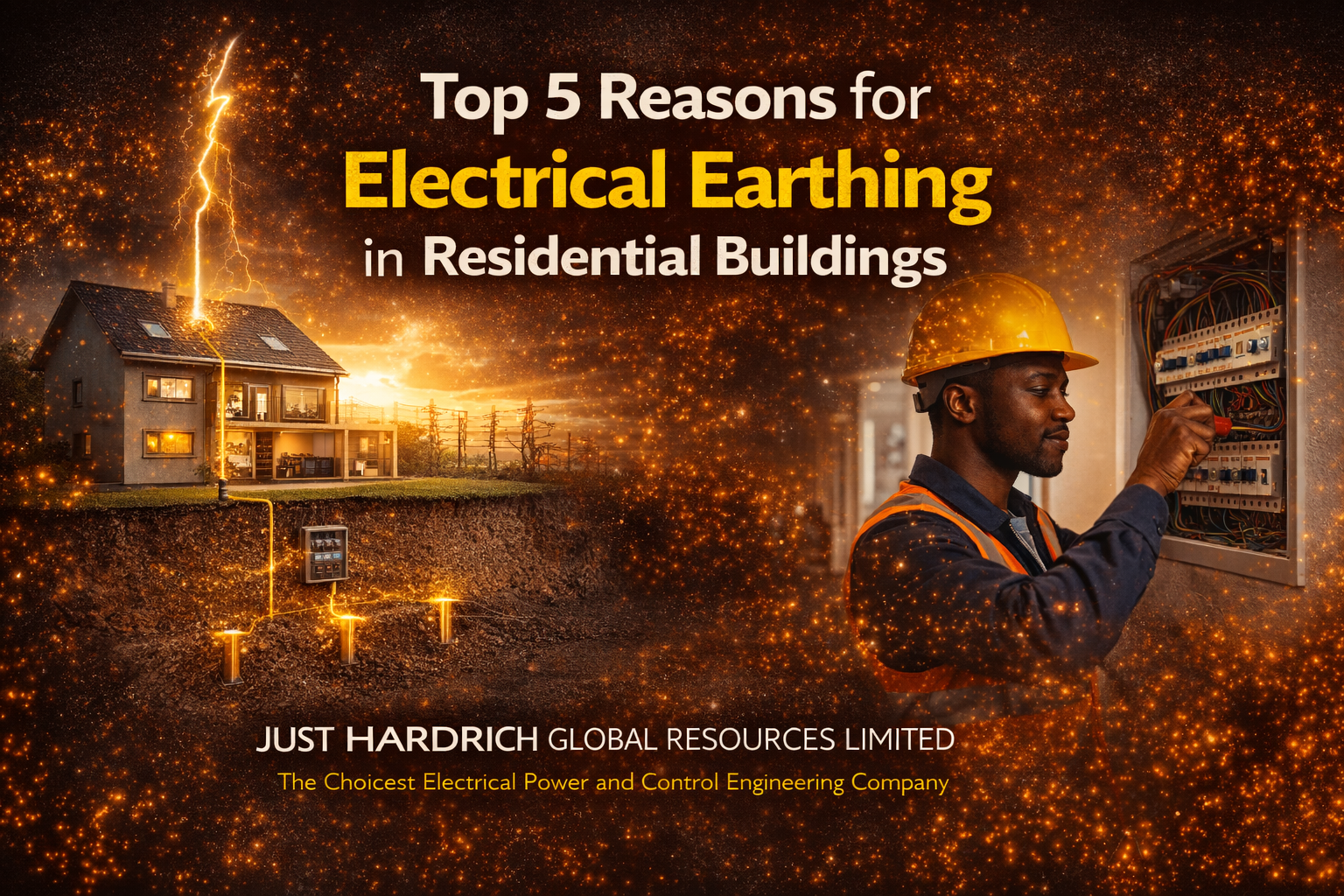
Electrical safety is one of the most critical yet often overlooked aspects of residential construction in Nigeria. From duplexes and bungalows to blocks of flats and gated estates, many electrical faults that lead to shocks, equipment damage, or even fire outbreaks can be traced back to poor or absent earthing systems.
At Just HardRich Global Resources Limited, the choicest Electrical Power and Control Engineering Company, we have seen firsthand how proper electrical earthing transforms homes into safer, more reliable living spaces. With Nigeria’s unique power challenges – frequent voltage fluctuations, lightning activity, generator usage, inverters, and solar integrations – earthing is no longer optional; it is essential.
This in-depth guide explains the top five reasons electrical earthing is vital in residential buildings, what earthing really means, the dangers of poor grounding, and the modern best practices homeowners and developers should adopt.
What Is Electrical Earthing?
Electrical earthing (also known as grounding) is the process of intentionally connecting the non–current-carrying metal parts of an electrical installation – such as appliance bodies, switchgear enclosures, distribution boards, and conduit systems – to the general mass of the earth.
The primary purpose of electrical earthing is to provide a safe, low-resistance path for fault current to flow into the ground in the event of insulation failure, leakage current, lightning surge, or system imbalance. By doing this, earthing:
- Reduces the risk of electric shock to occupants
- Prevents damage to electrical appliances
- Stabilizes voltage levels within the building
- Enables protective devices to operate correctly
In simple terms, earthing acts as a silent safety net. When something goes wrong electrically, it safely redirects danger away from people and property.
At Just HardRich Global Resources Limited, we design and install earthing systems that align with Nigerian electrical standards, utility supply conditions, and modern residential power demands.
Top 5 Reasons for Electrical Earthing in Residential Buildings
1. Protection Against Electric Shock
One of the most important reasons for electrical earthing is human safety. Electric shock occurs when a person becomes part of an electrical circuit, allowing current to pass through the body. This can happen when a live wire comes into contact with the metal body of an appliance due to insulation failure.
With proper earthing:
- Fault current flows directly into the ground instead of through a human body
- Exposed metal surfaces remain at earth potential
- Circuit breakers, RCCBs, or ELCBs trip quickly
In Nigerian homes where barefoot walking is common and floors may be tiled or damp, the risk of electric shock is even higher. Earthing significantly reduces this danger.
As the choicest Electrical Power and Control Engineering Company, Just HardRich Global Resources Limited prioritizes life safety by implementing low-resistance earthing systems that comply with best engineering practices.
2. Safeguarding Electrical Appliances and Electronics
Modern homes are filled with sensitive and expensive electrical devices – televisions, refrigerators, air conditioners, washing machines, laptops, sound systems, inverters, and solar equipment. These devices are highly vulnerable to:
- Voltage surges
- Lightning-induced transients
- Neutral failure from the utility supply
A properly designed earthing system provides a discharge path for excess voltage, preventing it from passing through appliances. Without earthing, even minor surges can cause gradual damage, reducing equipment lifespan or leading to sudden failure.
In Nigeria, where power supply instability is common, earthing works hand-in-hand with surge protection devices (SPDs). This combination is now a growing trend in modern residential electrical design.
At Just HardRich Global Resources Limited, we integrate earthing systems with surge protection and power control solutions to deliver long-term value and equipment protection for homeowners.
3. Fire Prevention and Property Protection
Electrical fires are often caused by fault currents, short circuits, overheating conductors, or lightning surges with no safe discharge path. When excess current cannot flow into the ground, it builds up within cables and equipment, generating heat that can ignite nearby materials.
Proper earthing:
- Safely diverts fault current away from wiring
- Reduces overheating in electrical components
- Minimizes the risk of electrical fires
Residential fire incidents in Nigeria frequently occur at night when occupants are asleep, making prevention even more critical. Earthing, combined with correct cable sizing and protective devices, significantly lowers this risk.
As the choicest Electrical Power and Control Engineering Company, Just HardRich Global Resources Limited designs residential electrical systems with safety-first principles, ensuring earthing plays a central role in fire prevention strategies.
4. Voltage Stabilization and System Reliability
Electrical earthing contributes to voltage stabilization by maintaining a common reference point for the entire electrical system. This is especially important in homes using:
- Multiple power sources (PHCN, generators, inverters, solar systems)
- Heavy appliances like pumps and air conditioners
- Long cable runs across large buildings
Without proper earthing, voltage imbalance can occur, leading to flickering lights, erratic appliance behavior, and frequent equipment shutdowns.
Modern residential electrical design increasingly focuses on power quality. Earthing helps control overvoltage conditions and supports the effective operation of voltage regulators and protective relays.
At Just HardRich Global Resources Limited, we adopt innovative electrical control and monitoring tools to ensure earthing systems contribute to stable, reliable power within residential buildings.
5. Proper Operation of Protective Devices
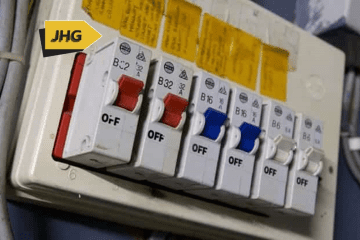
Protective devices such as circuit breakers, residual current devices (RCDs), earth leakage circuit breakers (ELCBs), and surge protection devices rely on earthing to function correctly.
Without a low-resistance earth path:
- Fault current may be too small to trip breakers
- Leakage current may go undetected
- Static electricity may accumulate on equipment surfaces
Earthing ensures that protective devices respond instantly during faults, isolating the affected circuit and preventing injury or damage.
As electrical systems become smarter, with automated protection and monitoring, proper earthing remains the foundation that makes these technologies effective.
Just HardRich Global Resources Limited incorporates earthing verification and testing as part of every residential project, reinforcing our reputation as the choicest Electrical Power and Control Engineering Company.
What Can Happen If Electrical Earthing Is Not Done Properly?
Poor or absent earthing exposes homes to several serious risks:
- Electric shock: Increased likelihood of fatal or non-fatal shocks
- Fire hazards: Higher risk of electrical fires due to overheating
- Equipment damage: Frequent appliance failure and costly replacements
- System malfunctions: Unstable operation of electronics and control systems
These issues often remain hidden until a major incident occurs. Preventive earthing design is always more cost-effective than post-incident repairs.
Three Practical Steps to Ensure Proper Electrical Earthing
1. Select the Right Location and Materials
- Choose soil with good conductivity; moist soil is preferable
- Avoid locations close to underground utilities
- Use corrosion-resistant materials such as copper or galvanized steel
Advanced earthing compounds and backfill materials are now being adopted in Nigeria to improve resistance values in poor soil conditions.
2. Install and Connect the Earth Electrode Correctly
- Install earth rods, plates, or pipes at recommended depths
- Ensure firm mechanical and electrical connections
- Minimize joints to reduce resistance
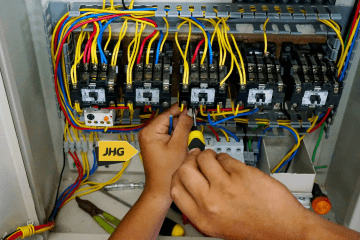
Professional installation is key. At Just HardRich Global Resources Limited, our engineers follow proven installation methods tailored to site-specific conditions.
3. Test and Maintain the Earthing System
- Conduct periodic earth resistance testing
- Inspect connections for corrosion or loosening
- Reassess earthing when upgrading electrical systems
With the rise of smart testing equipment and digital earth testers, ongoing maintenance is becoming easier and more accurate.
Final Thoughts
Electrical earthing is not just a regulatory requirement; it is a life-saving and property-protecting necessity. For Nigerian homeowners, developers, and facility managers, investing in a professionally designed earthing system ensures safety, reliability, and long-term peace of mind.
As the choicest Electrical Power and Control Engineering Company, Just HardRich Global Resources Limited remains committed to delivering world-class residential electrical solutions, combining sound engineering principles with modern tools and industry best practices.
When safety matters, earthing is where it begins.