In any electrical system – residential, commercial, or industrial – earthing (grounding) is one of the most critical safety features. It protects lives, secures equipment, stabilizes voltage, and prevents catastrophic failures. Yet in Nigeria, earthing is often overlooked, poorly installed, or maintained incorrectly, leading to shocks, burnt appliances, fire outbreaks, and major electrical hazards.
As the choicest Electrical Power and Control Engineering Company in Nigeria, Just HardRich Global Resources Limited has seen firsthand how a properly installed earthing system can make the difference between a safe electrical installation and an accident waiting to happen.
This guide explains everything you need to know about earthing installation – from what it is, why it matters, the tools and materials required, modern techniques, to maintenance and best practices. It is written to help Nigerian homeowners, builders, facility managers, industrial clients, and engineers make informed decisions.
What is an Earthing System?
An earthing system (or grounding system) is a deliberate connection between the non-current-carrying metal parts of an electrical installation and the earth.
This provides a low-resistance path for fault currents, ensuring that dangerous voltage does not build up on appliances, machines, or building structures.
In simple terms:
Earthing ensures that any electrical fault “knows where to go” — straight into the earth — instead of passing through a human body or causing a fire.
Why Earthing Matters Particularly in Nigeria
Nigeria’s electrical environment is challenging due to:
- Frequent lightning activity in many regions
- Unstable grid supply with voltage fluctuations
- Increasing use of sensitive electronics (inverters, solar, CCTV, networking devices)
- Poor soil conductivity in certain areas
- Widespread use of generators and alternative power sources
All these conditions make earthing non-negotiable for safety and reliability.
Why Earthing of Electrical Installations is Critically Important
1. To Prevent Electric Shock
If a live wire mistakenly touches a metal surface, that metal becomes energized. Without earthing, anyone who touches it risks electrocution.
Earthing provides a path of least resistance, safely carrying fault current to the ground.
2. To Prevent Equipment Damage
Voltage surges—from lightning, PHCN fluctuations, generator switching, or faulty wiring—can destroy:
- TVs
- Refrigerators
- Solar inverters
- Industrial machines
- ICT equipment
- Medical devices
A good earthing system absorbs excess voltage like a shock absorber.
3. To Improve System Stability
Earthing serves as a reference point for the entire electrical system.
It stabilizes voltage levels and reduces noise interference—especially important in:
- Data centres
- Manufacturing plants
- Hospitals
- Oil and gas facilities
- Telecommunication sites
4. To Prevent Fire Outbreaks
Electrical fires often start from uncontrolled fault currents.
When earthing is properly installed, fault current travels safely into the earth before it generates heat or sparks.
5. To Ensure Compliance with Nigerian Electrical Standards
In Nigeria, earthing is mandated under:
- Nigerian Electrical Code
- SON Safety Standards
- Distribution companies (DISCO) approval requirements
- Renewable energy and inverter installation standards
At Just HardRich Global Resources Limited, we help clients meet and exceed these standards through professional earthing installation and testing.
Key Components of an Effective Earthing System
1. Earth Electrode
The conductive material buried in the soil to dissipate electrical current.
These include:
- Copper-bonded earth rods
- Pure copper rods
- Earth plates
- Earth grids
- Chemical earthing electrodes (modern option)
Copper is preferred in Nigeria due to its durability and high conductivity.
2. Earthing Conductor
This connects the electrode to the electrical installation.
Common materials:
- Copper cable (PVC insulated or bare)
- Copper tapes
- Aluminium conductors (less recommended due to corrosion issues)
At Just HardRich, we primarily use corrosion-resistant copper for longevity.
3. Earth Pit / Inspection Chamber
The enclosure that houses the top of the rod and allows future maintenance and resistance testing.
Modern installations use:
- Concrete inspection chambers
- Reinforced earth pits
- Weatherproof covers
4. Earth Enhancement Materials (EEM)
These improve soil conductivity, especially in areas with dry or rocky soil.
Examples:
- Bentonite clay
- Marconite (premium conductive material)
- Carbon-based compounds
- Salt + charcoal mix (traditional but short-lasting)
At Just HardRich, we prefer Marconite for industrial sites due to its durability and compliance with global standards.
5. Main Earthing Terminal (MET)
The central point where all grounding conductors are connected before being bonded to the electrical installation.
Steps to a Successful Earthing Installation
A proper earthing system follows a structured engineering process.
Below is how Just HardRich Global Resources Limited executes earthing installations for clients across Nigeria.
1. Site Assessment & Soil Resistivity Analysis
The first step is to understand the nature of the soil.
We use tools like:
- Earth Resistance Tester (Megger)
- Soil Resistivity Tester (Wenner 4-point method)
This helps determine:
- How many electrodes are needed
- What type of electrode system is ideal
- Whether soil enhancement is required
- The ideal depth for installation
For example, clayey soils in the South conduct well, while sandy soils in Northern Nigeria require enhanced earthing methods.
2. Engineering Design of the Earthing System
Every building and facility requires a specific earthing design.
Just HardRich designs systems based on:
- Building size
- Power load
- Number of phases
- Presence of sensitive equipment
- Generator/inverter setup
- Lightning protection requirements
We may recommend:
- Single rod earthing
- Multiple rods in parallel
- Earth grid
- Chemical earthing
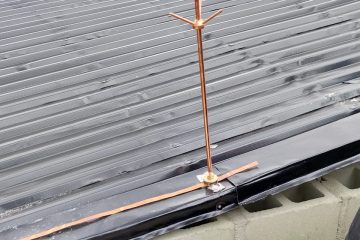
- Lightning protection earthing
- Dedicated earthing for inverters and ICT devices
3. Choosing the Right Materials
Using the wrong materials is one of the biggest causes of earthing failure in Nigeria.
We use:
- Copper-bonded rods (16 mm or 20 mm)
- Pure copper cables for earthing conductors
- Marconite and Bentonite for soil enhancement
- Brass clamps and corrosion-resistant connectors
This ensures long-term performance – even in corrosive soil.
4. Installation of Earth Electrodes
Depending on the design, electrodes are:
- Driven vertically
- Buried horizontally
- Installed in trenches
- Placed in chemical backfills
We ensure:
- Correct depth (sometimes 2–8 ft depending on soil)
- Correct spacing between rods
- Proper bonding to electrical panels
- Secure connection protected from corrosion
5. Bonding and Interconnection
All metallic parts of the electrical system must be bonded, including:
- Distribution boards
- Generator frames
- Inverter chassis
- Solar panel frames
- Water pipes
- Building steel structures
- Air conditioning bodies
Bonding ensures that all metallic surfaces share the same earth potential, eliminating shock hazards.
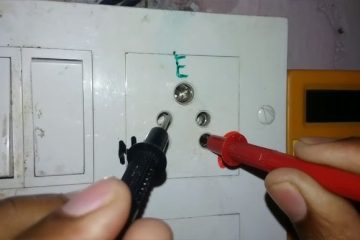
6. Testing & Certification
Using modern testers like:
- Megger DET3TC
- Fluke 1625-2 Ground Tester
- KYORITSU Earth Tester
We verify:
- Earth resistance is within Nigerian standards (generally ≤ 1–5 ohms depending on the installation)
- Conductors are firmly bonded
- Earth continuity is okay
Clients receive a Ground Resistance Test Certificate — something required by many facility approval processes.
Common Earthing Installation Methods (With Nigerian Use-Cases)
1. Rod Earthing
Vertical copper rods driven deep into the ground.
Best for:
Homes, small offices, shops, inverter setups.
2. Plate Earthing
Copper plates buried horizontally.
Best for:
Dry areas, rocky environments, properties with limited depth options.
3. Earth Grid / Mesh Earthing
A network of copper conductors buried around the property.
Best for:
Factories, hospitals, data centres, telecom sites.
4. Chemical Earthing
A modern method using a copper electrode surrounded by conductive chemical material.
Best for:
- Northern Nigeria (dry soil)
- Telecommunication masts
- Industrial facilities
- Solar farms
- Sensitive electronics
Chemical earthing lasts longer and requires less maintenance.
Best Practices for Earthing Setup in Nigeria
- Maintain earth resistance below 1–3 ohms for critical installations
- Use corrosion-resistant copper materials
- Avoid aluminium in soil
- Install multiple rods to improve performance
- Use protective earth pits for inspection
- Separate earthing for lightning protection and power systems
- Avoid salt-only mixtures (they corrode rods quickly)
- Test yearly, especially before rainy season
Common Challenges in Nigeria and Their Solutions
1. High Soil Resistivity
Common in Abuja, Kano, Kaduna, Maiduguri.
Solution:
Use chemical earthing or multiple rods.
2. Corrosion of Rods
Caused by poor materials or salty soil.
Solution:
Use copper-bonded or pure copper electrodes.
3. Poor Installation Practices
This includes shallow rods, wrong bonding, and untested systems.
Solution:
Use trained professionals like Just HardRich Global Resources Limited.
4. Overloading the Earthing System
Happens when generator, inverter, and building share one small earth rod.
Solution:
Install dedicated earthing for each major system.
Maintenance Tips for Long-Term Earthing Safety
- Test earth resistance annually
- Inspect pits for moisture retention
- Refill chemical earthing compounds if needed
- Check bonding connections for corrosion
- Upgrade earthing when installing new appliances or expansions
Just HardRich provides annual maintenance packages for commercial and industrial clients.
Conclusion
A safe electrical system is impossible without a properly designed and installed earthing system.
With rising power demands, sensitive electronics, and Nigeria’s environmental challenges, earthing is no longer optional—it is essential for life safety, equipment protection, and regulatory compliance.
At Just HardRich Global Resources Limited, we deliver world-class earthing solutions using the best tools, engineering practices, and innovative technologies. Whether you are building a home, upgrading your office, or managing a large industrial facility, our earthing installations give you peace of mind, stability, and long-term performance.
For professional earthing installation, testing, or upgrades, Just HardRich Global Resources Limited is Nigeria’s choicest Electrical Power and Control Engineering Company—trusted for excellence, reliability, and safety.